
Villa Borghese point of interests

At the MAXXI Museum in Rome, Zaha Hadid’s architecture is part of what you come to see. Staircases cross the open foyer, and curving concrete walls shape the route through galleries of contemporary art, architecture and photography.
Read more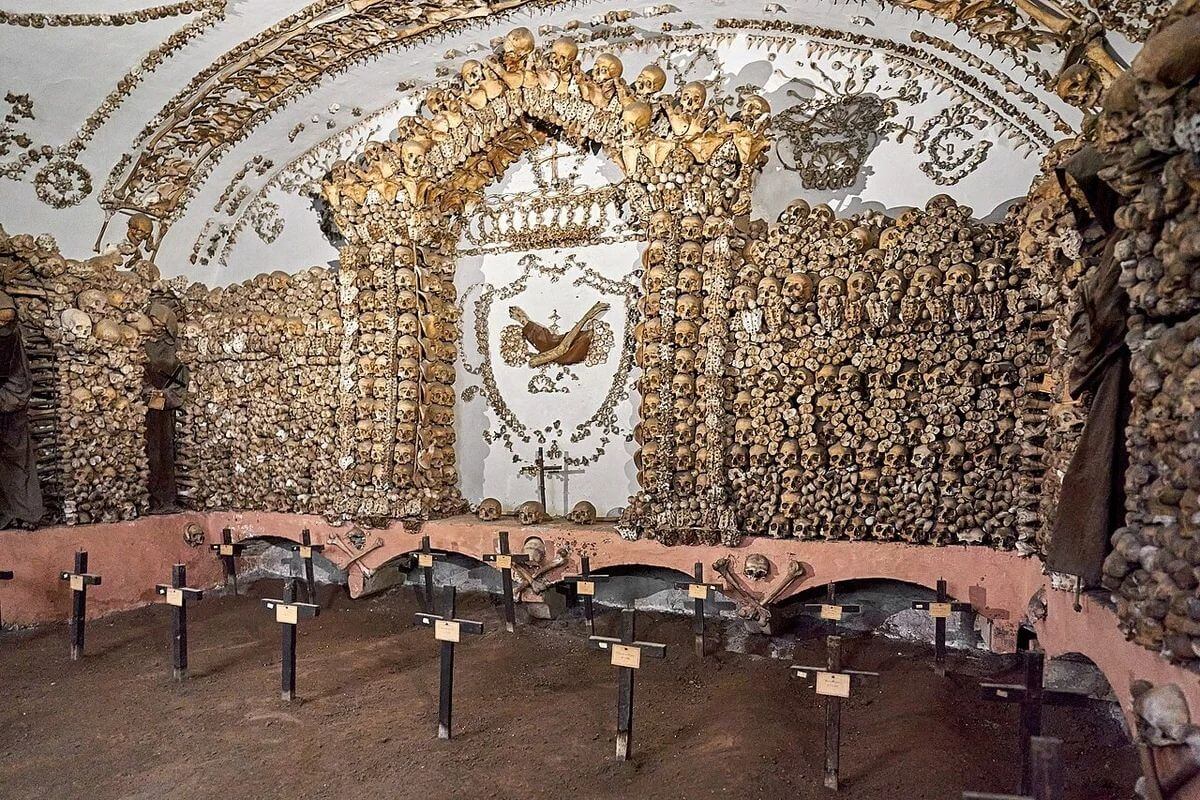
Human bones form arches and floral patterns in the Capuchin Crypt in Rome, beneath the church of Santa Maria della Concezione on Via Veneto. Looking closely at these decorations opens up the story of the Capuchin friars: how they lived, remembered their dead and expressed their hope of resurrection.
Read more
Just off Via del Corso, the Mausoleum of Augustus is a vast circular tomb with an unexpected past. Built for Rome’s first emperor and his family, it later became a fortress, a garden, and even a concert hall.
Read more
Once home to popes and kings, the Quirinal Palace (Palazzo del Quirinale) is now the seat of Italy’s presidency. Its ceremonial rooms still play a part in state occasions, while contemporary Italian art and design share space with historic decoration.
Read more
Villa Torlonia in Rome is a historic estate where you can combine a walk through the park with visits to museums and Mussolini’s wartime shelters. The Casina delle Civette is a highlight for stained glass, while Casino Nobile offers grand reception rooms and twentieth-century art.
Read more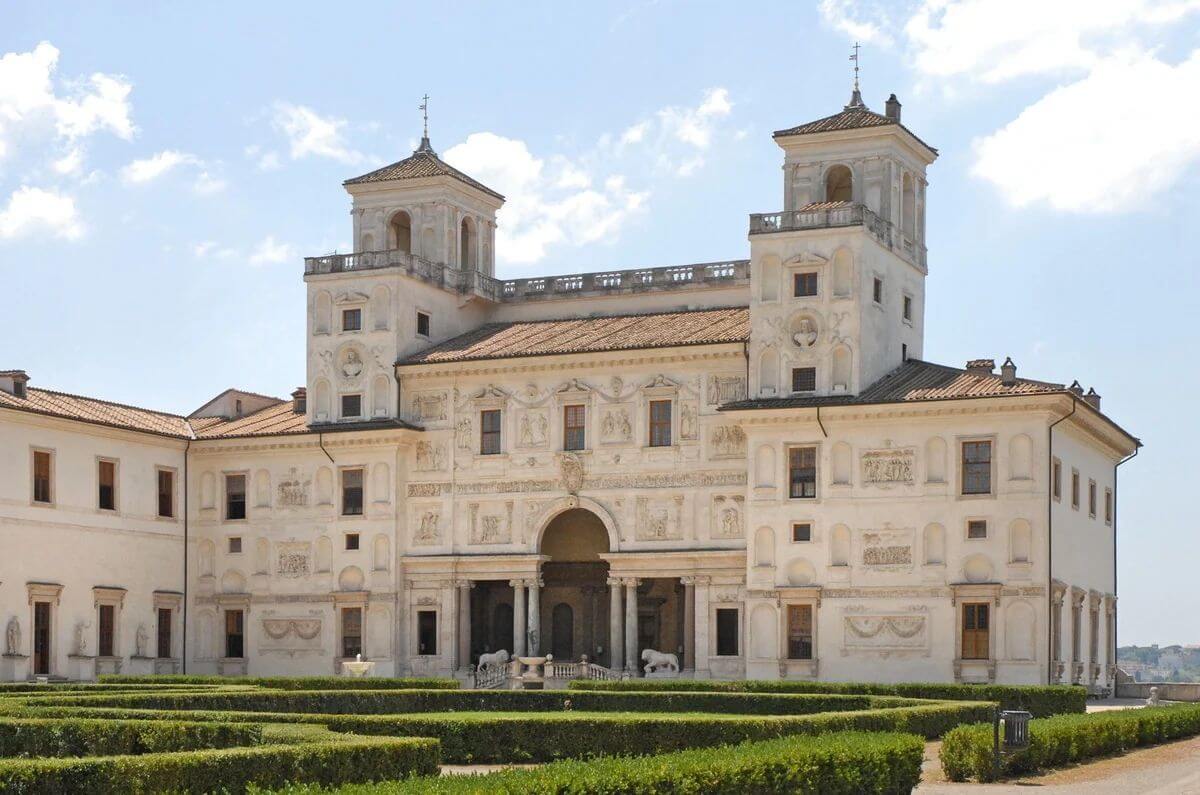
Behind the walls near the Spanish Steps, Villa Medici in Rome opens onto formal gardens and a facade studded with ancient reliefs. You’ll need a guided tour to visit the historic grounds and the cardinal’s painted rooms, with views across the city along the way.
Read more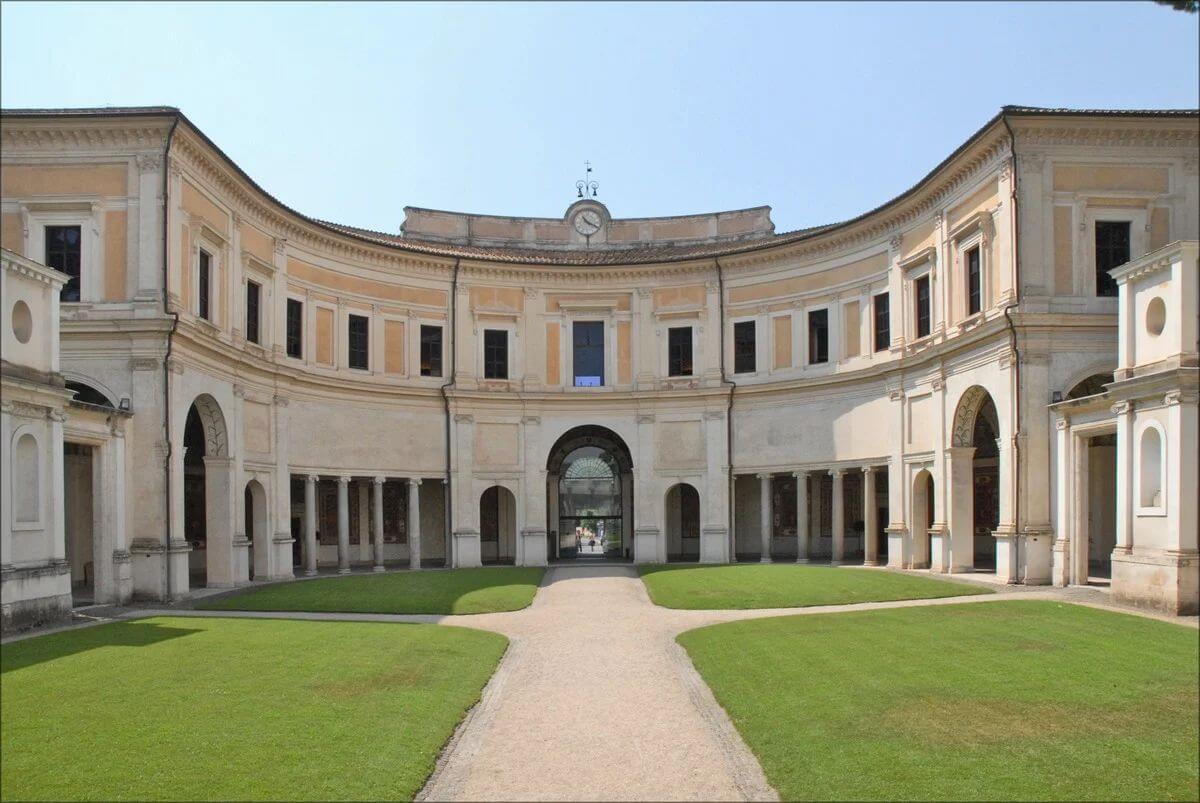
At Villa Giulia in Rome, you can spend a morning with Etruscan masterpieces, then wander through the courtyards and gardens of a Renaissance villa. Look out for the smiling couple on the Sarcophagus of the Spouses, and pause at the loggia for a view down into the nymphaeum, a sunken fountain court.
Read more
Porta Pia closes the view along Via XX Settembre with a broken pediment and bold papal emblems. Its city-facing facade follows Michelangelo’s design; on the Via Nomentana side, statues and a grand 19th-century arch give the gate a very different appearance.
Read more
A small island, a neoclassical temple, and columns reflected in the water: the Temple of Asclepius is a distinctive stop on a walk through Villa Borghese in Rome. Also known as the Temple of Aesculapius, it looks ancient but was built in the 18th century as part of the park’s landscape garden.
Read more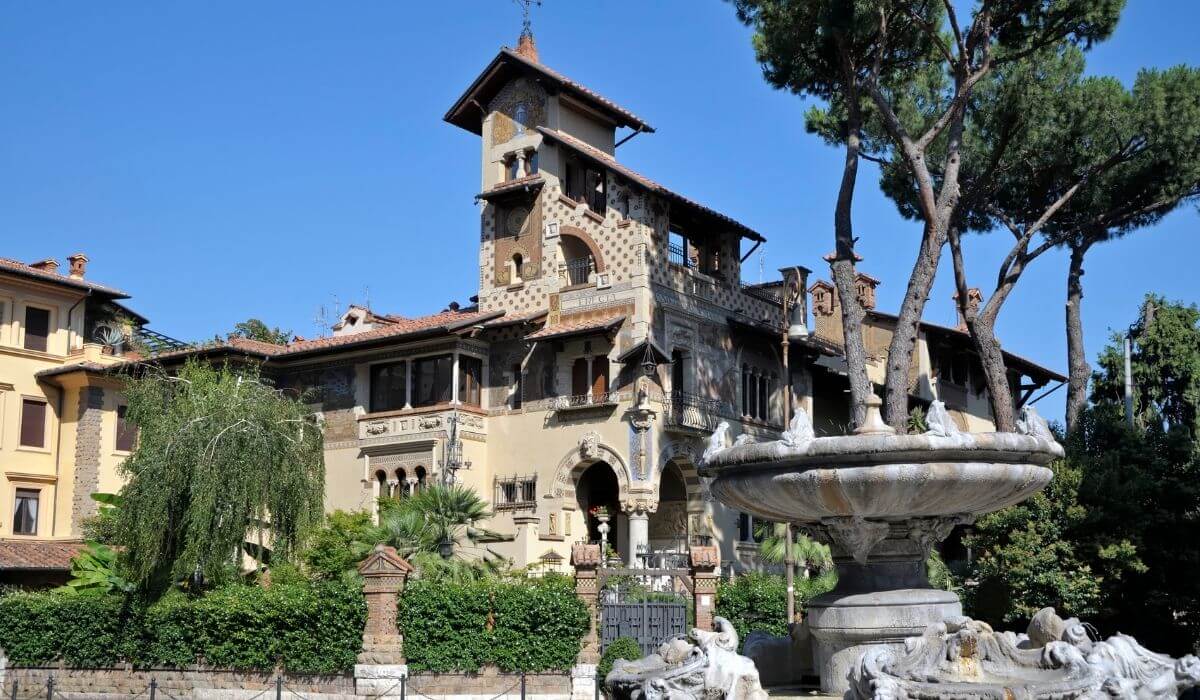
This Quartiere Coppedè guide includes a map, a five-stop walking route and practical directions for visiting the district independently.
Read more